
This is for you; you know who you are.
For we wrestle not against flesh and blood, but against principalities and poorly produced documentaries.
While this isn’t really the space to go into a line for line attack on the latest Dark Side of the Ring documentary, this time featuring Total Nonstop Action (a dark subject, indeed), much like the abysmal Who Killed WCW doc from the same producers, all I can really do as a response in my corner of the internet is to provide a more personal take, studded with some of the ACTUAL facts, my actual FEELINGS and some actual head shaking at how such one sided tripe somehow gets broadcast on the airwaves.
In this world I find a way to cross a run on sentence.
The big takeaway from the TNA doc seems to be TNA can’t fail; it can only BE failed.
Actually, the REAL takeaway from this seems to be that that Jeff Jarrett is a troubled man who has never done anything wrong (at least not without an excuse, and this is coming from someone who generally sticks up for Jarrett).
For me, TNA began in June of 2004, specifically at 3pm, Fridays on Fox Sports Net. The “weekly program” function on my then high end VCR FINALLY found a purpose; saving episodes of Impact! on magnetic tape for the limited version of perpetuity we assign to physical media. The FOX BOX reigned supreme, no matches exceeded ten minutes unless a title was on the line. There was the Stroke, the POUNCE (period), the Styles Clash, the Canadian Destroyer, the Black Hole Slam and if you were lucky, the Spiral Tap. A lot of dudes from WCW took shelter from the Stamford storm there, along with a lot of kids from places I had only read about prior to this sixty minute adrenaline rush taking to the air. Border City Wrestling. NWA Wildside. NWA Cyberspace. Ring of Honor, whatever THAT was. Occasionally, workers from the far away, mythical land of Mexico, or the mysterious Eastern climbs of Japan would appear, and sometimes it would be cats from Southern California PRETENDING to be from places far away. Mike Tenay was there, to provide comfort, context and unparalleled expertise. And his sidekick was the crazy sports card salesman, Don West.
What the hell WAS this?
I’ve mentioned it before, but I’ll say it again; the deaths of ECW and especially WCW pretty much killed wrestling for awhile, certainly for me, at least. Oh sure, my girlfriend and our roommate would keep a couple of toes in the water, still watching RAW out of the corner of their eyes and occasionally subjecting me to SmackDown, especially when it got Paul Heyman-ized, but for me, the ride had largely ended, and I retreated into the sordid world of “tape trading,” also known as simply buying tapes and DVDs. SPOOLS of DVDs, as I tried to convince myself that WCW couldn’t die as long as there were still episodes of Saturday Night I had yet to see. I haunted video stores, buying WCW pay per view tapes. My roommate and I got ESPECIALLY hard up and bought an XPW DVD because it had Konnan on the cover! SHANE DOUGLAS THREATENED TO CALL WCW PRESIDENT BILL BUSCH IN FRONT OF AN UNCARING XPW AUDIENCE. There was a WCW shaped hole in my life and for a while, a LONG while, it was difficult to fill.
Sure, there was WCW in name only on WWF TV. There had been the WCW/ECW Alliance, sure the NWO came back, sort of… but WCW had been treated pretty badly by the then WWF, soon to be WWE, pretty much up until the release of the Ric Flair DVD set (in other words, when WWE realized that they could MONETIZE the WCW library they now owned, was when SUDDENLY that material started to receive some respect). I retreated further into reading and rereading WCW results at DDT Digest (still the greatest repository of WCW reviews ever, and thankfully still online in 2026), miserably buying ECW and WCW tapes, slowly getting into puroresu. I would occasionally read about this “TNA” thing, some insane attempt at having weekly $9.99 pay per views, but the tiny cable company that serviced my apartment complex didn’t carry TNA. They barely carried pay per view at all, in that primitive past, twenty some odd years gone. TNA remained an abstract concept for me; I knew more about the people on the show from the e-fedding* column on 411 Mania (shout out to the guy who had Chris Sabin forever holding the Great Lakes title, whatever that was and the constant use of Eric Angle in goofy “twin magic” storylines) than I did from actual first hand knowledge.
Finally, after someone realized that the weekly pay per view concept had largely been a failure, the powers that were at TNA negotiated a pay for play deal to put TNA on traditional television. They paid Fox Sports Net (we couldn’t get PPV, but somehow we got this vestigial channel that largely existed solely to show c-tier car racing and cell phone provider commercials) for the time slot, and essentially used it at first as a way to advertise the weekly pay per views, and then, by September 2004, they decided to use the TV to build towards a traditional 29.99 monthly PPV supershow (ACTUALLY, in a largely forgotten tangent; TNA had teased doing a super show earlier in their existence back in 2003, pre-Impact!, even calling the proposed show “Bound for Glory,” but they were unable to secure Hulk Hogan to be in the main event, so they kept to their wobbly 9.99 line for over two years).
That little fact seemed to fall through the cracks on the DSotR doc, of course. In THAT idealized fantasy world version, the weekly pay per views were SUCH a success, so MUCH momentum was built, that alternate universe TNA immediately landed Spike TV. Of course, in what we laughably call “real life,” TNA Impact aired on Fox Sports Net for one year and then existed solely as an online product (they encouraged us to use a new thing called BITTORRENT to get the shows!) for roughly three months as TNA scrambled for a TV deal before finally replacing WWE Confidential late Saturday nights after Spike TV and WWE had their acrimonious split in October of 2005.
A lot of the 2004 TNA experience was basically trying to capture the lapsed WCW (and ECW) fan; you had the aforementioned Jeff Jarrett, of course (oh, we’ll get into Jeff Jarrett), but you also had Raven. Diamond Dallas Page. Scott Hall and Kevin Nash. Macho Man, for a little under a month before that deal went south in a cloud of paranoia too ludicrous to recount. Konnan. Dusty Rhodes. There were WWE cast offs, too; D-Lo Brown. BG James (the former Road Dogg). A VERY pilled up Jeff Hardy. The race to capture that lapsed audience, that audience that vanished when WCW died, was on.
And then, you had the X-Division.
Much like WCW had, from 1996 to it’s fiery demise, TNA relied on what WCW called “cruiserweights,” aka smaller independent wrestlers, luchadores and others who could work a fast paced, high flying and occasionally hard hitting style and used them to beef up the work rate. The “car crash,” as Eric Bischoff might have put it, the thing that would capture your attention if you were randomly clicking through channels, weirdos doing cool flips and things you wouldn’t see on the other wrestling show. The thought was that the term “cruiserweight” or “light heavyweight” or even “junior heavyweight” pigeonholed the talents into a certain level, so, as the marketing told us, over and over, the X-Division was created, not to be about “weight limits,” but rather to be about “no limits.”
Of course, the “X-Division” was it’s OWN pigeon hole, just a thinly veiled euphemism for the dirty word “cruiserweight,” but it WAS something TNA gave us that WWE couldn’t or wouldn’t; the ads for Impact! would show endless shots of the Best. Moonsault. Ever! and the incredible Spiral Tap. Flippy do-s were part of TNA’s DNA (no, NOT a Matt Morgan reference). Stalwarts like AJ Styles, Christopher Daniels, Amazing Red and later, Chris Sabin were KINGS of Impact! television.
The X-Division, so important to the fledgling company, rated barely A LINE in the Dark Side doc. Sure, they talked about how important AJ Styles was to TNA (so much so that when Impact started, he was effectively DEMOTED back to the X-Dvision from the NWA heavyweight title picture because they needed him as an anchor to rebuild the division around), but the X-Division, particularly in the early days of Impact! WAS TNA, associated heavily with all the advertising and marketing. In DSotR land, it was a merely nice little thing that was part of TNA’s endless “momentum.” A complete afterthought.
There’s a LOT of stuff like that over the course of these three hours.
You begin to see the problem as I weave in my real time impressions of 2004 TNA and my impressions of the 2026 documentary together; sure, you have to cut certain things for pacing, for the sake of brevity, but episode one of the show is basically Jeff Jarrett 101, which is fair enough; a quickie primer on Jarrett’s career and indeed family life, the two things inextricably linked. I don’t really have a problem with that. My problem more falls into the sloppiness, the glossing over of things, the de-emphasis of certain issues.
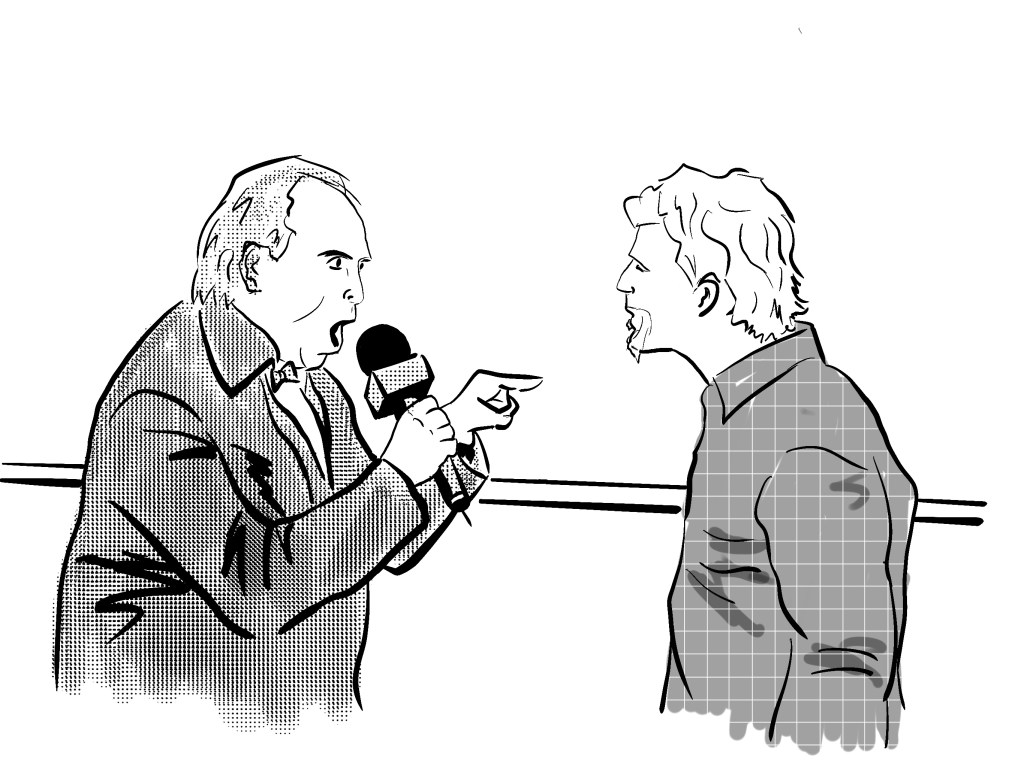
The TRUE storytelling engine of TNA; the eternal feud between Mike Tenay and Double J
TNA was a failure. It died roughly two months into it’s weekly pay per view run. It literally, genuinely needed to be SAVED. Every single time they sent Jarrett out there with some sort of variation on “they didn’t give us two weeks, we’ve been here two years” or “they said we wouldn’t last six months, but we’ve made it six years”… every single time he said something like that… it was a lie. THEY REALLY DIDN’T MAKE IT TWO MONTHS.
While the documentary did point out that initial TNA investor Health South ran into some sort of nebulous financial trouble, thereby disrupting TNA’s solvency, there was NO mention of the scandal where a trusted TNA employee fed the Jarretts false information by overinflating their pay per view buys, causing them to overbudget for talent; no, it was merely the collapse of their initial financial backer that led to the Jarretts selling controlling interest to Panda Energy and nothing else. They thought they were doing somewhere around seventy to eighty thousand PPV buys a week; it was more like fifteen thousand or so.
The sin here wasn’t that they got duped; it was that they expected success; trusted that their untried business model was the true way and couldn’t fail. The sin here was suddenly leaving talent in the cold, telling them they could no longer afford to fly some of them in. They used to use this as a SELLING point for some, Mike Tenay crowing on TNA television about how Amazing Red and the Spanish Announce Team (not actually announcers, but the incredibly talented Maximo brothers) came to TNA on a Greyhound bus on their OWN DIME. More than once. I recall one time Don West having to say something along the lines of “now they fly first class!”
Uh huh.
TNA can only BE failed, remember?
And instead of depicting the sale to Panda Energy (a complete Hail Mary long bomb of a chance only made possible because TNA’s publicist, Dixie Carter was the daughter of the OWNER of Panda Energy; pure happenstance) as an one in a million lifeline… the documentary instantly couches it as a COMPROMISE, a necessary evil. Jeff and Jerry Jarrett had to do something AWFUL to their baby; they had to put it up for ADOPTION so it could have a better life. But they still demanded visiting rights and not JUST visiting rights; they wanted to still rear the child while it grew up in someone else’s house.
Instead of being grateful to the Carters for their intervention, in the documentary, Dixie is instantly vilified by Jarrett. Look, in some ways, I’m sure she WAS a villain. I’m sure Karen Jarrett thinks Dixie was a villain. I’m sure the family of Jesse Sorenson thinks Dixie was a villain. The TNA Knockouts who had to work real jobs while they were being depicted as bigger than life superstars because they couldn’t make ends meet on meager TNA pay. There ARE things to knock Dixie about, absolutely. But helping to facilitate the sale of TNA? I’m not certain that’s one of them. In the first two episodes particularly, it comes off like men mad that a woman had dared come into their clubhouse and felt that she needed to throw her weight around in order to earn their respect. They were upset that the money she represented came with a price, a title of presidency for Dixie… and they were even more upset when that person ended up not being a figurehesd in nature.
Of course, this is the woman who insisted on TWO TAKES of an amazingly wrong headed, morale crushing REAL “rah rah” speech where she tells the entire roster that it was her way or the highway and then aired it on TV, so I don’t want to make it sound like I’m giving her a pass. If we are going to burn Dixie in effigy, I want it to be for her actual crimes.
This is a real thing that aired on TNA television; and again, Dixie required TWO TAKES to really nail it
They touched on the backstage chaos to a degree; Jeff being pulled between his father, longtime promoter and wrestler, Jerry Jarrett and Jeff’s friend and partner, writer Vince Russo. What they didn’t really touch on and a cursory glance at the Wrestling Observer, or, if the principal participants wouldn’t allow the Observer, then the Pro Wrestling Torch would have sufficed, confirming that the infighting behind the scenes at TNA wasn’t just between the Jarretts and the Carters; it was Jerry versus Jeff with Russo as instigator and fire stoker.
Russo, along with Bischoff and Russo’s diametrically opposed opposite Jim Cornette, are all favorites of the DSotR producers, so they aren’t going to tell you that Russo’s intense cozying up to Dixie (to say the least) was part of the fractious TNA landscape, Russo happily stabbing his old friend Jarrett in the back for his own gain. Whatever the actual nature of Dixie and Russo’s relationship was, it can not be disputed that it was used as a chisel, perhaps a bludgeon between the Jarretts. Jerry and Jeff began to fall out over all this drama. I mean, Cornette might tell you that, but it won’t make air, let’s put it that way. Russo has a documented past of trying to undermine others behind their backs.
In real time, watching Impact, not reading the sheets (mostly), watching them turn into a monthly PPV generating product… From the end of 2004 to probably somewhere in 2006, with the possible exception of the main event scene (and even then, it wasn’t always bad. Jarrett is probably a tiny bit underrated in ring, and it wasn’t a lack of effort that made the main events bad; it was the relentlessly myopic booking), TNA was absolutely the product leader on PPV. It was largely the efforts of the guys in the X-Division, the hot tag team programs, particularly the long feud between Triple X (Christopher Daniels and the somewhat forgotten by time Elix Skipper) and America’s Most Wanted (Chris Harris and James Storm) that made these monthly shows must see and worth the money. The trouble became the fact that Jeff Jarrett had to be on top, all the time… and when he WASN’T on top, everyone had to talk about him. Poochie with muscles and tights.
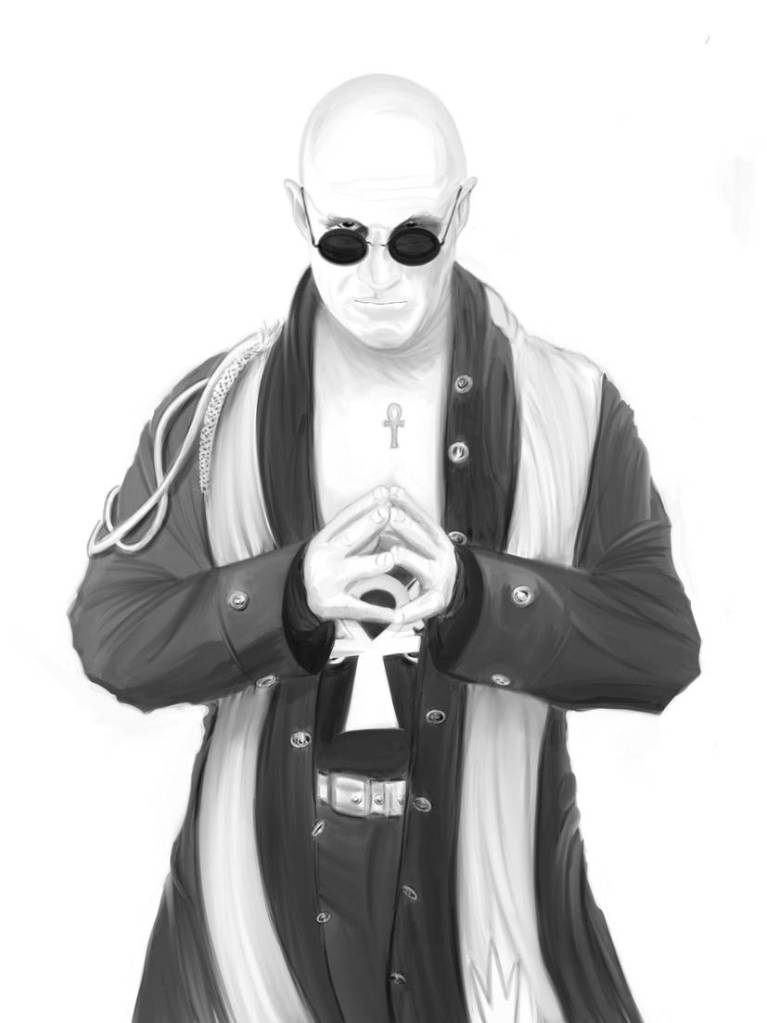
One of the guys who got me to keep tuning in every week; the great Christopher Daniels
The documentary pays a TINY bit of lip service to the idea that Jarrett was on top too long, but Jarrett writes that idea off blithely; he could trust himself to not run off with the title, the old wrestler as promoter axiom. This coming from the man who held up Vince McMahon for pay, and then claimed that Vince smiled and said that doing business with Jeff was a pleasure.
The sixty minute adrenaline rush has arrived
I can tell you the exact moment my wife started to not care about TNA; Raven, after a year and a half of battling against the odds, became the NWA Heavyweight champion right around the time when TNA was off of TV and sequestered to the internet. Raven lost the belt on a TNA affiliated Border City Wrestling house show (!) a week before TNA got on to Spike TV because Jarrett figured he had a bigger Q-Rating** than Raven. Marketed as the “International Incident,” in one of their many attempts to recreate the Montreal incident between Bret Hart, Shawn Michaels and Vince McMahon, it still rankles her to this day.
No mention of this in the doc, of course. No mention of passing over the highly popular and highly charismatic Monty Brown for being a possible world champion, a decision Jarrett has tried to make excuses for or otherwise justify for YEARS, now. Guess they didn’t want to relitigate holding down a Black man on a show called “Dark Side of the Ring” for some reason.
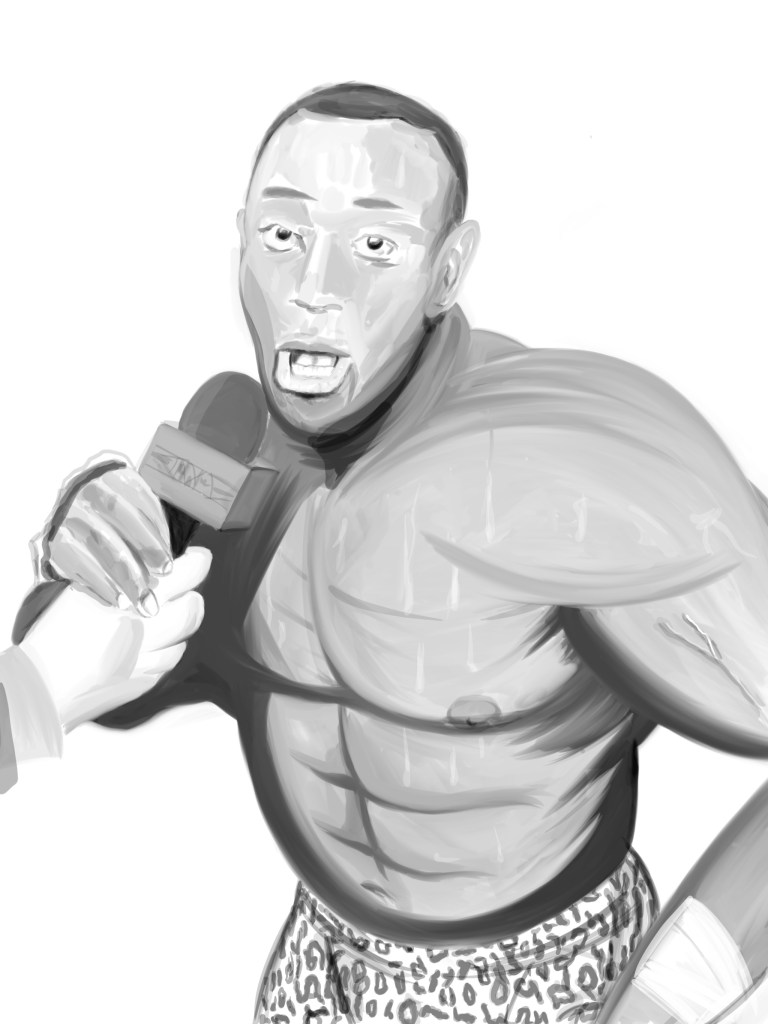
Yeah, THIS guy, this MANIAC wasn’t ready to be world champ because… reasons. I’m sure it all makes sense to someone
And then suddenly Kurt Angle was there.
And the DSotR people forgot to mention WHY suddenly Kurt Angle was there.
Let me back up just a tiny bit. In real time, WWE possibly lowballed popular mid card wrestler Christian (he denied this at the time, but I don’t think he would have left the prison he knew so well to head to another if he was being compensated in a way he found fair. I suppose we will never truly know) and, when his contract expired… he showed up immediately in TNA, inserted right into the top of the card. He bet on himself, and for probably two thirds of his time in TNA, he was a loyal soldier, bettered himself and bettered the company (that last year, he was clearly going through the motions, but you can probably cut him some slack for that). Christian CHOSE TNA, and went there of his own volition.
Kurt Angle, on the other hand, was a pill popping liability WWE had to let go because they didn’t want the bad publicity of a former Olympian DYING on their watch.
Let THAT sink in for a second. They let Kurt Angle go, because he was too fucked up on drugs (and refused to go to rehab, if memory serves. WWE, the place that already had welcomed back a returning Jeff Hardy who TNA had let go for being too fucked up on drugs. Imagine being too fucked up for TNA). Oh, there were excuses; a groin tear, a bad road handler (Luther Reigns, aka WCW’s Horshu)… this and that… but the bottom line was that Kurt Angle was let go by WWE because they didn’t want his fall to pull WWE down with him.
And yet days later after his release, Dixie Carter, TNA director David Sahadi and a handful of staff, all signed to NDAs, welcomed a surprised Sting into a Nashville warehouse where Kurt Angle walked in to film his TNA entrance video.
This was around the time the Figure Four website was starting their nascent audio Empire~! and, back when Bryan Alvarez was still a positive force for good in wrestling, he ranted endlessly about the irresponsibility of accepting this new hire into the fold. “The TNA drug policy appears to be DO SOME DRUGS!” he spat into the mic, chiding TNA for accepting this man into their arms with zero failsafes in place. I remember the second version of Observer Radio, post Eyada.com, pre F4W merger, hosting an interview with Kurt, Bryan and Dave Meltzer, where they simply asked Angle some sort of introductory question and it led to a soma-ed out Angle blithering endlessly about how his new entrance (rising up on an elevator through the stage with an American flag) was pretty much the best entrance in the entire industry and now that he was part of TNA, they would be neck and neck with SmackDown ratings-wise within a few months, rambling on in the way only a drug addict with his string pulled can.*** Once again, a show called Dark Side of the Ring seemed really afraid to simply state something that was… IS a matter of public record; TNA scored their biggest free agent acquisition EVER because the other guys let him go out of fear.
And then we get to the story about Jill Jarrett dying. All true, obviously, all devastating. I distinctly remember reading in the Observer when Jarrett was ready to come back to wrestling after the passing of his wife, that he wanted to return as a face… and I remember LAUGHING that it was simply impossible. Of course Jeff returned, and the real life empathy the crowd had for him… Of course he was a face.
And according to him, and ESPECIALLY according to Karen Jarrett, Jeff Jarrett was sent home by Dixie Carter because Jeff and Karen found themselves in a relationship, Karen already estranged and separated from Kurt Angle. According to Karen (and Jeff), after they had been together for a bit, they threw a party at Jeff’s house and invited the crew, including Dixie, and it was made obvious to everyone there that, against the odds, they were a newly minted couple.
The whole point of this part of the documentary was Karen Jarrett getting some anger off of her chest in regards to Dixie sending Jeff home, the implication being that Karen and Jeff, on the rebound from the death of his wife, got together behind Kurt’s back and I suppose, more importantly, behind Dixie’s back, and formed a relationship.
I don’t know, I wasn’t there, but there seemed to be one important piece missing; Karen claimed that Dixie absolutely knew that she and Jeff had entered a relationship. But reportedly (I can’t remember if it’s something we have seen or not, like if there is specific evidence pointing to this), Dixie flat out asked Jeff if he was in a relationship with Karen, he felt out denied it and Dixie felt like her hand was forced because Jeff lied to her face, so she sent him home. Dixie, of course, isn’t in the documentary and her only defenders are the brain damaged Hardy Boyz, so much like the WCW doc, we get a very one sided version of events. “Dixie wanted Jeff to work for her,” Jeff Jarrett says with disgust. My guy, my brother… YOU DID WORK FOR HER, WHETHER YOU LIKED IT OR NOT. You may have wanted her to be the silent money mark in the background but, for better or worse, that ain’t what you got.
Ultimately, this all seems like the most black hat program ever seen; you had Jarrett and his camp, angry that a woman had taken power in their wrestling clubhouse, and you had Dixie and her camp, too desperate for respect, easily swayed by New York accents and wrestlers with a predilection for wine.
This also is not in the doc, because of course it’s not, but at around the same time this drama was unfolding, Vince Russo wrote one of his trademark nigh incomprehensible emails to Dixie, replete with poor grammar and the kind of malaprops that come only from hearing a phrase as opposed to reading it (he tells Dixie something will be “worth her wild”), pointing out that Jim Cornette as a on screen authority figure was bad for the TV product and should be replaced with a sexy, female executive (!) and that his close friend Jeff Jarrett should be demphasized, and that Kurt Angle and “Somoa” Joe should take his place, which would be a partially laudable goal, except for the fact that later, Russo would admit that Joe’s push in TNA was so inconsistent because, according to Russo, Joe couldn’t keep his weight under control.
Levels within levels within backstabbing levels.
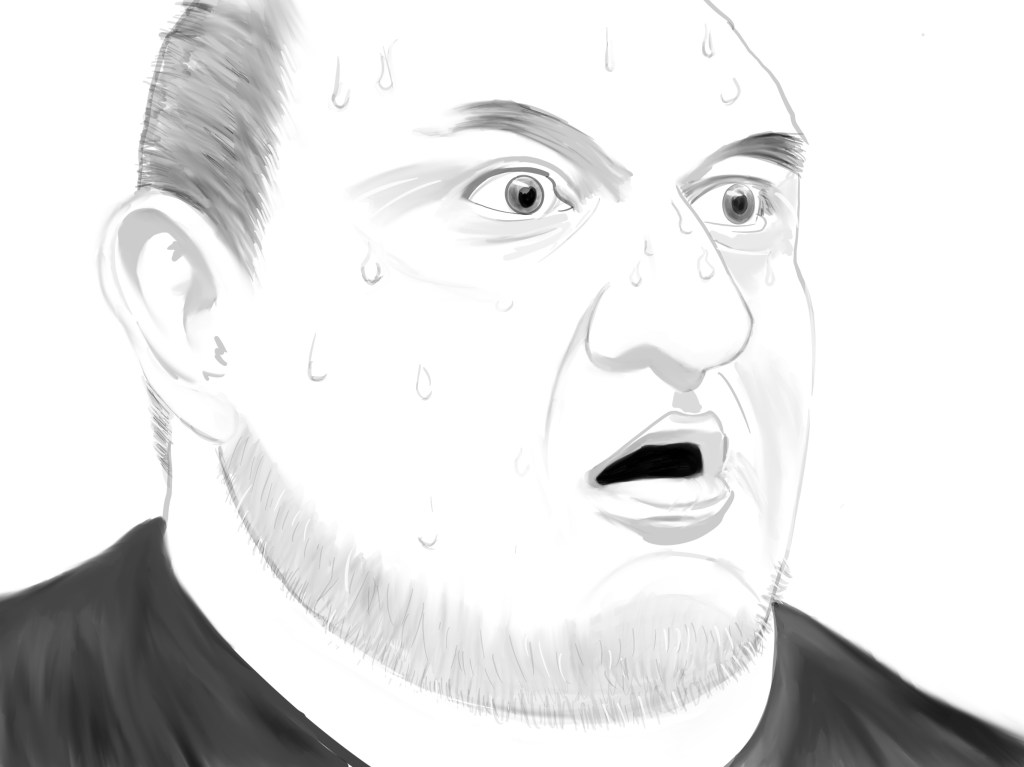
Joe imagining his “Nation of Violence” doing something unspeakable to Vince Russo
C’mon, Dark Side. I’m just a hobbyist, a dilettante. How come I know more about this shit than you’re seemingly willing to tell?
Then, for the third part of the documentary, someone hit the 1.5x button. I don’t mean ME as a viewer; I mean the documentary producers. One, two, skip a few and suddenly (suddenly meaning over a couple of years, but this is TV, baby; we have to move FAST) the wily Dixie Carter had kicked out Jeff Jarrett and replaced him with, uh… Hulk Hogan.
A personal aside, Hulk Hogan joining TNA with some sort of nebulous power was SUCH a ludicrous development that I finally rejoined the Observer / Figure Four website (having let my subscription lapse after the Chris Benoit tragedy and my own trepidation about continuing my wrestling fandom) and didn’t stray for the next fifteen years. I suppose, in a roundabout way, that long association ultimately led to YOU reading THESE words.
Eric Bischoff, loyal only to himself and the orange ghost of Hogan, still insists that Hulk wanted to help TNA and launched into his standard corporate doublespeak about taking things to the next level and so on, the same tired crap you’ve heard from Bischoff for thirty years. Of course, that wasn’t true; Hulk was dead broke from his divorce and legal battles and needed a wrestling lifeline, but Dixie Carter, just like Bischoff before her, was all too happy to have Hogan pour honey in her ear. Hogan joined TNA and immediately made changes that rankled long time fans; gone was the six sided ring, the X-Division completely neutered and deemphasized. The Knockouts, long an actual ratings mover for TNA and a division that, despite some missteps, was actually a standout, especially compared to WWE, also suffered under the Hogan / Bischoff regime. The new hotness wss never ending interfactional warfare and endless alignment changes and swerves.
A typical, never ending segment from this era of TNA, featuring a million men against a million OTHER men. Incomprehensible
The documentary shows Russo raging that Bischoff weaseled his way into power, the power, of course, that Russo had HIMSELF weaseled his way into. Jarrett seems surprised, thinking Hogan was supposed to be merely a “brand ambassador,” but Hogan was never one for “merely.” Everyone seeming surprised that the Hogan / Bischoff duo exerted power and influence… they seemed naive in the worst way. Bischoff, of course was hazy on the details (isn’t he always) but the night Hogan first showed up, January 4th, 2010, actually did fairly well in the ratings against WWE RAW, at least well for TNA. TNA, of course, got full of themselves and convinced Spike TV to move Impact! permanently to Monday nights two months later, directly opposing RAW, hoping to recapture the spark of WCW going head to head with WWF.
TNA got curb stomped. “Permanently” lasted eight or nine weeks before Impact! limped back to it’s Thursday time slot after being crushed in the ratings. This was no longer the TNA with somewhat of an identity of it’s own, the somewhat scrappy up and coming company; this was Russo / Bischoff cacophony, with so many swerves and angles that watching the show became nearly impossible without a scorecard.
My personal journey with TNA was long over at this point; a change to the time of the weekend replay of Impact! meant that the missus and I stopped watching almost entirely. We came back for the January 4th episode where Hulk Hogan was presented as both heel and babyface simultaneously, watched the deemphasis of people like Christopher Daniels in favor of guys like Val Venis… watched the NWO reform for the millionth time, watched the NASTY BOYS, a tag team already passé by the mid-ninties, be presented as if they were a threat in 2010 and simply gave up.
TNA officials come out to yell at the crowd for not cheering the right people. Yes, OF COURSE this is real, leading to the most loyal TNA fans who would attend every Impact! taping to “cross the line” and stop
Jarrett laments that he had no power to fight any of this… and yet he was okay with what would come next. Because THIS IS WRESTLING, he and Karen agreed to have an onscreen program with Kurt, painting Jeff and Karen as evil people who had screwed over Angle. Because Jeff, Kurt (and Karen) were professionals, they were able to make it work, but think about THAT, too… this huge issue that Dixie had sent Jeff home for was now suddenly the fodder for a storyline.
Wrestling.
The doc skips ahead from there to Jeff Hardy being fucked up on drugs at Victory Road 2011, for those who insist this is a Jeff Jarrett documentary and not a TNA documentary. One of the worst, most embarrassing things I’ve ever seen broadcast on wrestling TV, and amazingly, they actually talk to Hardy about it, which makes the documentarians’ reluctance to go there with the Angle situation even more puzzling. In brief, Hardy shows up to the venue messed up on pills, someone allows him to go out to perform in the main event, thinking that he will magically sober up on the way to the ring, Hardy slumps down, and Bischoff instructs the long suffering Sting to pin Hardy SHOOTWAY as commentator Tazz screams “ultra quick victory!” and the crowd chants “bullshit.” Jarrett blames Dixie, ultimately, for allowing Hardy to perform in this state. Okay.
Jeff Jarrett then, to really fast forward things, loses a “loser leaves town” match against Jeff Hardy a year later to go start the TNA India offshoot Ring Ka King (which if he and Dixie were so at odds, how was he entrusted with this opportunity? Answers on a postcard), and then suddenly, Hogan was gone too, Dixie now a full-time TV character herself, literally CLINGING to Hulk Hogan as he left the promotion ON ACTUAL TNA TV. Hogan, in real life, obviously saw that TNA was in peril, his disastrous semi-stewardship having done the promotion no favors. Russo is again shown angry that they would do this to Dixie… I don’t know if he was still in TNA on the down low or not at this point but again, since DSotR is never going to tell you, I will; eventually Russo was shown the door, but continued working for TNA in some sort of remote consultancy position, which was revealed to the world when Dixie accidentally emailed a note from Russo meant for Mike Tenay to Mike Johnson of PWSpyware PWInsider.
Oops.
TNA ultimately loses it’s deal with Spike TV, another fact overlooked completely, beginning a multi-year drama as TNA would lurch, gutshot, from TV deal to TV deal, hemorrhaging money and talent. Jeff Jarrett finally turns to his old friend and TNA battle royal veteran Toby Keith for help, trying to purchase TNA back from Panda Energy. No dice. I seem to recall that part of the condition of the sale was keeping Dixie Carter onboard, but the documentary instead said it hinged upon Jarrett’s involvement, and Toby Keith pulled out because Panda wanted nothing to do with Jeff. Six of one, half a dozen of the other, I suppose.
Jarrett then puts together “Global Force Wrestling,” a new wrestling venture, and had some positive reactions, again, completely glossed over save a throwaway sentence, running a handful of shows and a couple of TV tapings, even managing to get in bed with New Japan Pro Wrestling, smack dab in the middle of what would come to be known as their Golden Era. Jarrett would co-promote Wrestle Kingdom 9 as an English speaking pay per view product (and become a satellite member of Bullet Club; something he would latch onto like a man grabbing a life preserver), but the documentary of course missed the part where Jarrett IMMEDIATELY squandered that goodwill by hawking a GOLD PURCHASING PONZI SCHEME PYRAMID SCHEME MULTI LEVEL MARKETING OPPORTUNITY under the Global Force name. The people that own the shambling corpse of TNA today, the Canadian company Anthem (itself a such huge subject of failure that isn’t really mine to go into, but in brief, imagine nepo babies running their father’s company into the ground. Hey, makes sense that they would get into the TNA business) found themselves now in control of TNA, having quietly bought it; Dixie now reduced to merely having points in the company. Unfortunately, that means we completely skip over the saga of TNA, Dixie Carter and one Billy Corgan, that if Dark Side didn’t have the time to go into, then neither do I (suffice to say that he lent TNA some money with the intention of assuming ownership of TNA when they inevitably defaulted on the loan, but somehow, Dixie Carter and her team of carnies out-carnied Corgan. It is to laugh). Fast forward again as now, for some reason, Anthem wants to merge with Jarrett’s (largely existent only on paper) company, putting Jeff back in charge of TNA. This is all so glossed over, covered so quickly, but from even just a narrative structure, Dixie as the promoter who insisted upon putting herself on TV because of her out of control ego is slain essentially off screen by a sale barely worth mentioning by the producers. So ends Dixie Carter’s story, at least as far as this documentary is concerned, not with a bang, but with a whimper.
And Jeff Jarrett, at this point, was not a well man, bent on settling old accounts and feeling lied to by Anthem. His drinking spiraled out of control. I recall seeing the AAA show he appeared on, clearly in no condition to perform, and they actually show backstage footage from it (!), which was a bit of a gut punch****. Karen points out that she couldn’t get Jeff to seek help, but the documentary failed to note Karen, too, had her own drinking problems and problems performing sober. NO TIME, GOTTA GO FAST. Len Asper, the owner and ruling body of Anthem Entertainment, seeing Jeff clearly had a problem, insisted Jeff go home again and enter outpatient treatment. Jarrett, well, there’s no other way to say it, played the part of the attentive patient, and bluffed his way through treatment, but finally after some scares, Jarrett took advantage of the WWE Wellness Program and fortunately took another round of treatment seriously, even finally reconciling with his father. No mention, ZERO mention was made of the disastrous Global Force / TNA merger and the lawsuit that followed as Anthem / TNA somehow destroyed the master tapes of Jarrett’s Global Force TV tapings and, according to Jarrett, shortchanged him for his trademarks. WWE put him in their Hall of Fame and even hired him in some sort of an executive role, but they glossed over that, as well, and now, Jeff finds himself as an executive in AEW.
Your friend and mine, Tony Khan, showed up to put over Jeff, which I thought was a nice touch, and Jarrett talked about his participation in the first Owen Hart Cup tournament, appropriate given his deep connection to Owen.
The Hardys put over the modern incarnation of TNA. Of course. D-Lo Brown pointed out that TNA was still alive, which of course it’s NOT; the company is like at least two iterations removed from the outfit the Jarretts founded, NEEDING SAVING FROM IMMINENT DEATH over and over. Everyone agreed that the story of TNA WAS the story of Jeff Jarrett.
The end.
This documentary, particularly the hyper compressed third part, was so one-sided, so frustrating. It’s not because this isn’t a story worth telling, it’s because they told this story in such a half-assed, half-baked manner that they may as well not even have bothered. If this had been a two part show about the story of solely Jeff Jarrett, who indeed has led a fascinating career and ends with a story of personal redemption, I think this would have been fine. Turning this into a half-assed TNA doc mostly concerned with telling you DIXIE CARTER BAD was clearly a mistake. Exactly like their WCW doc, which was clearly made only to exonerate Eric Bischoff, this show wasn’t made to accurately chronicle the rise and fall of TNA, it was created to launder the past of Jeff Jarrett, someone I ended up coming away as LESS of a fan of at the end of this program. I had assumed Jarrett, being in a much better place in his life, would take some responsibility for his issues, but Jeff seemed far more interested in talking about those who let HIM down, instead.
I don’t want to end this six thousand plus word multimedia screed on that sour note, so I’d rather briefly mention some of the unsung heroes of Impact! and TNA, particularly of the 2004 to 2009 era I followed so closely. Christopher Daniels, the man whose heart had six sides, equally comfortable as good guy or bad guy. AJ Styles, of course, voted Mr. TNA SO many times that eventually it was no biggie to him. The master of the SICK FLIP PILEDRIVER, Petey Williams. Raven, so friendless in TNA that he delivered a chilling promo when he turned babyface saying that “when you have no friends, sometimes an enemy will do,” producing the homicidal, suicidal, genocidal Sabu to fight with him.
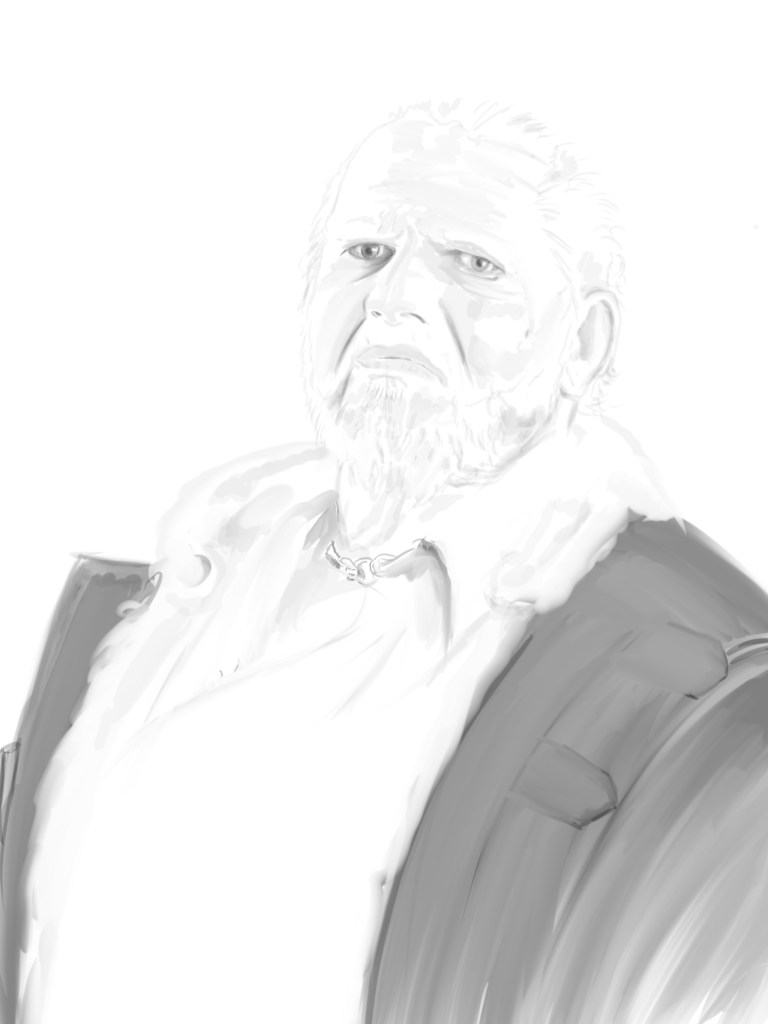
You might be surprised how integral this man was to a good two years or so of TNA storylines
Samoa Joe, screaming that he didn’t respect the heretofore unmentioned “code” of the X-Division (a stand in for ROH’s code of honor). Alex Shelley telling the crowd “shhhh” as he rammed a man’s head into the mat with his thighs. Monty Brown, whom I have waxed poetic about here before, hunting on his Serengeti. Abyss, particularly when managed by Jim Mitchell. Doughy David Young and his spinebuster that I’m reasonably sure only I ever popped for. Shark Boy and his homie, D-Ray 3000 (okay, those guys were more heroes of TNA Xplosion). Awesome Kong (who was one of the bright spots in the documentary. Too bad they didn’t talk about her backhanding professional leech Bubba the Love Sponge backstage) and her eternal rival Gail Kim (even if I think Kim is a borderline dangerous quack today). Jeff Jarrett himself, paranoid both on TV and probably in real life that he would lose his spot because TNA had a predilection for hiring ex-WWE talent (a TNA throughline from 2002 to today, regardless of who is in charge or who owns it; the most important thing in TNA is what new people from WWE will show up to mark time before WWE takes them back). Amazing Red, a man who, when I saw him the first time, performed a Tiger Feint Kick. I sarcastically asked my friends if his version was called the “718.” At that time, it actually WAS. In 2026, supposedly a more enlightened time, we call it the… sigh… Area Code Kick. The Man Called Sting, who gave of himself for TNA for too long. Kurt Angle, who did the same. Traci Brooks. Trinity. Matt Bently and his bounce. Poor Goldilocks, who had to endure being connected to Erik Watts and Kid Kash in a woman beater / damsel in distress storyline for MONTHS before Goldi turned EVIL because Russo. Elix Skipper and his amazing, unforgettable cage walk. James Storm, told over and over that he was gonna be the Marty Janetty of his tag team, when he was actually the Shawn Michaels. Ron Killings. These men and women were the ones that kept people coming back, even when matters both off TV and on conspired to hold them back.
And an extra special shout out goes to king of men Don West, the only person who could have convinced me to buy this:
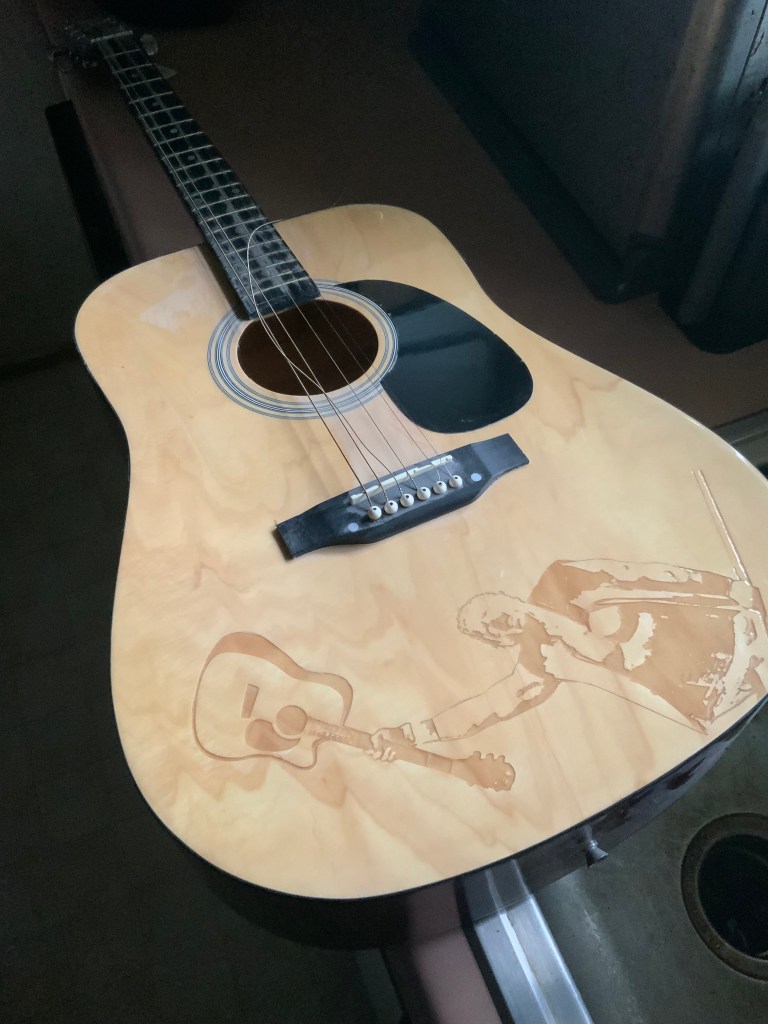
Never doubt MY TNA cred, slapnuts
TNA is dead. Long live TNA.
Me? I think I’ll go back to ignoring Dark Side until someone tugs hard enough on my arm to get me to write about it again.
* e-fedding was essentially electronic wrestling correspondence role-playing, not a forgotten concept, but certainly a much quieter one these days. Some people REALLY into e-fedding would use games like Fire Pro Wrestling or PC wrestling simulations like Total Extreme Warfare to actually introduce an element of unpredictability into their efeds or to simulate their on paper match making
** essentially a way to measure the public’s familiarity with a celebrity
*** this interview only to be outdone by the sub fifteen minute interview Alvarez did with a completely liquefied Marcus Alexander Bagwell, where one third of that sub fifteen minute languid, drugged out runtime was devoted to Bagwell explaining that some people call him Buff, some people call him Marc and some people call him Marcus, with brain melting explanations as to which people used those different appellations
**** and while I’m loathe to admit it, things like this are the reason it’s difficult to write off DSotR entirely; that’s footage I’ve certainly never seen before


Leave a Reply